上古卷轴5:重置版MOD Shogunate 1_07b号武器
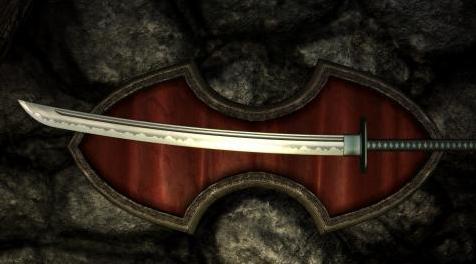
MOD介绍:
它能做什么
它增加了几个江户时代的日本人.。呃.。我的意思是,Akaviri武器,因为游戏中永远不会有足够的katana;)
重量、速度和伤害都是基于游戏中现有的Akaviri katana,以及我自己对其他武器的推断。大多数武器是相当快的,特别是两只手的katana和忍者,这提供了一个完全不同的两手的经验,与正常的游戏武器。对于忍者来说,如果它足够安静的话,对我来说也是足够安静的。
除纳吉纳塔外,所有武器都有自定义漆鞘。
所有的武器都需要钢铁和木柴来制造,而那些在剑柄上缠绕的武器也需要亚麻包装。所以你可能需要搜查一些坟墓来寻找亚麻布,如果你想要制作它们的话。
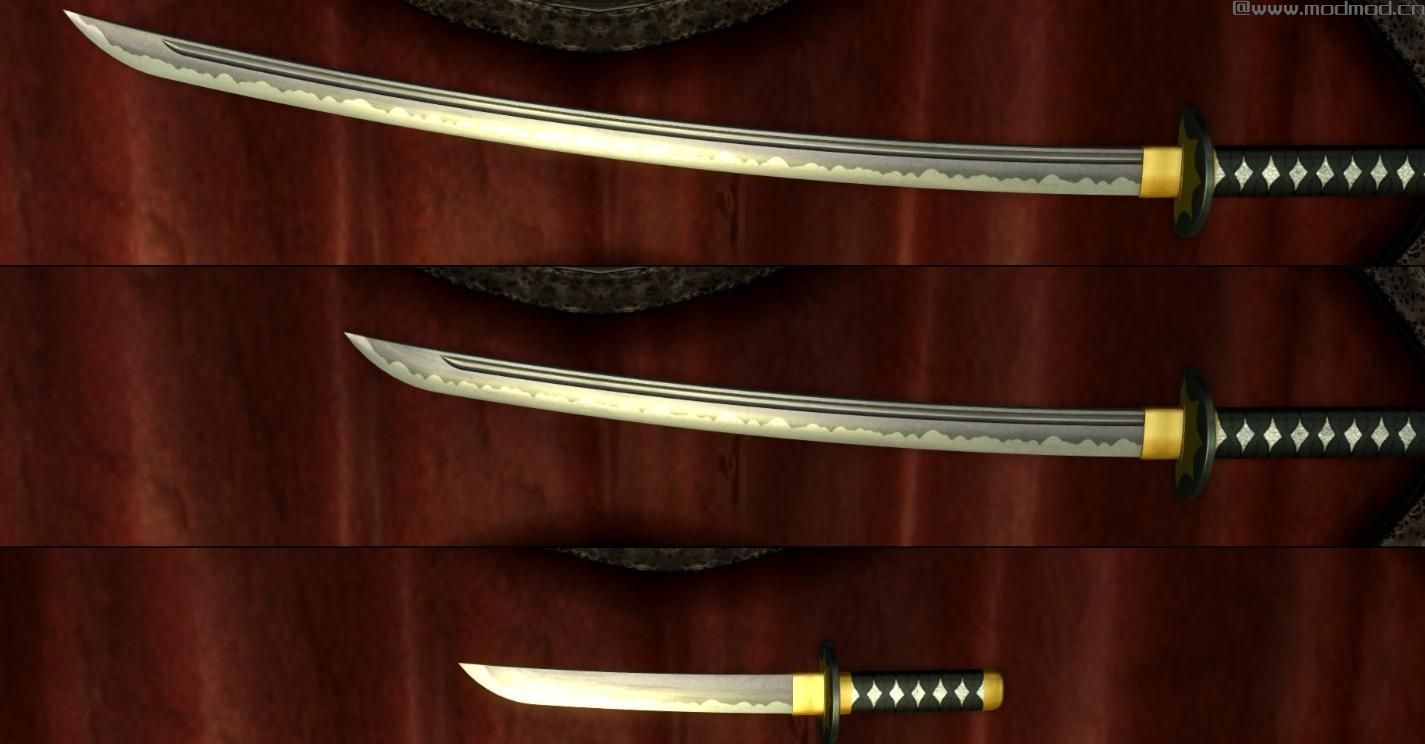
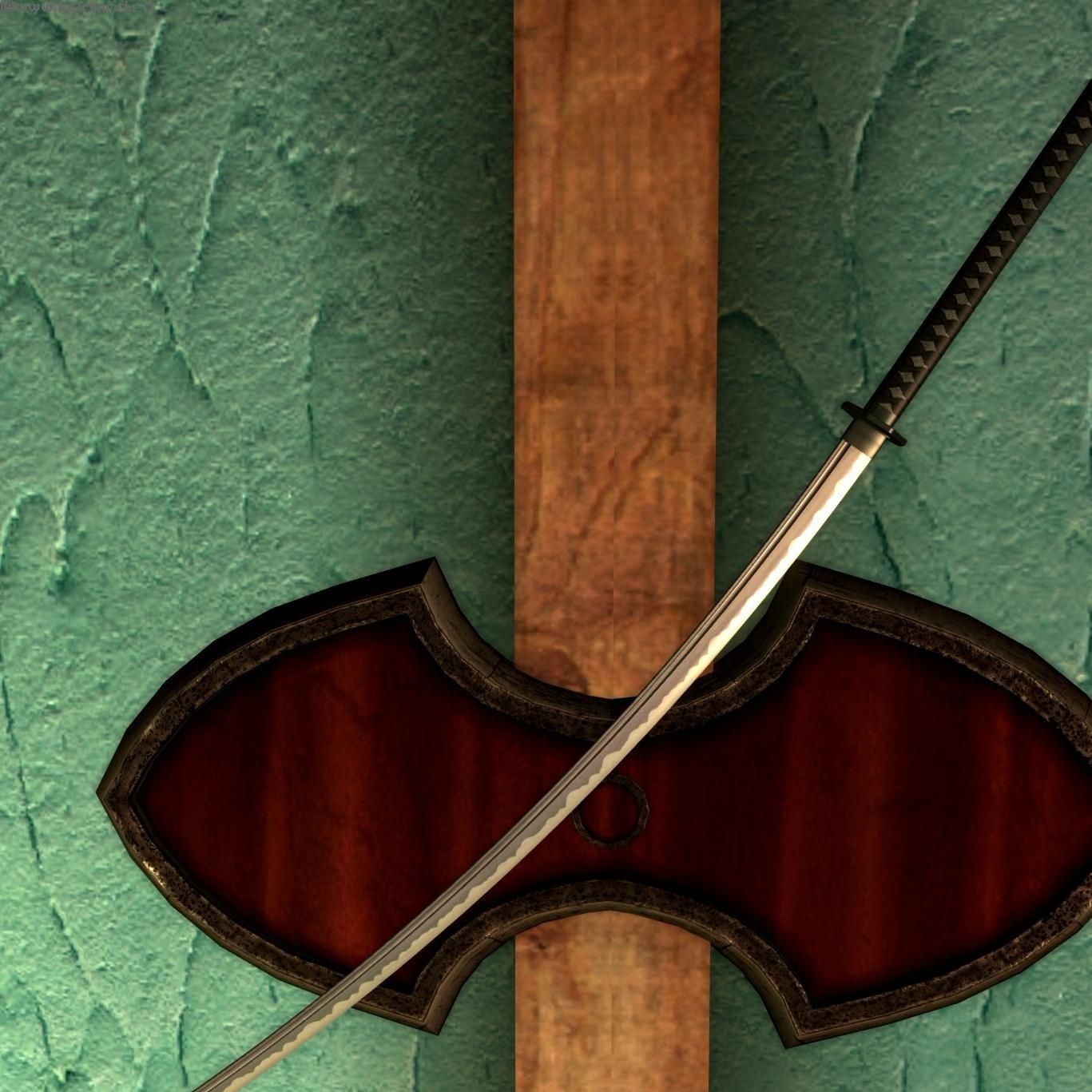
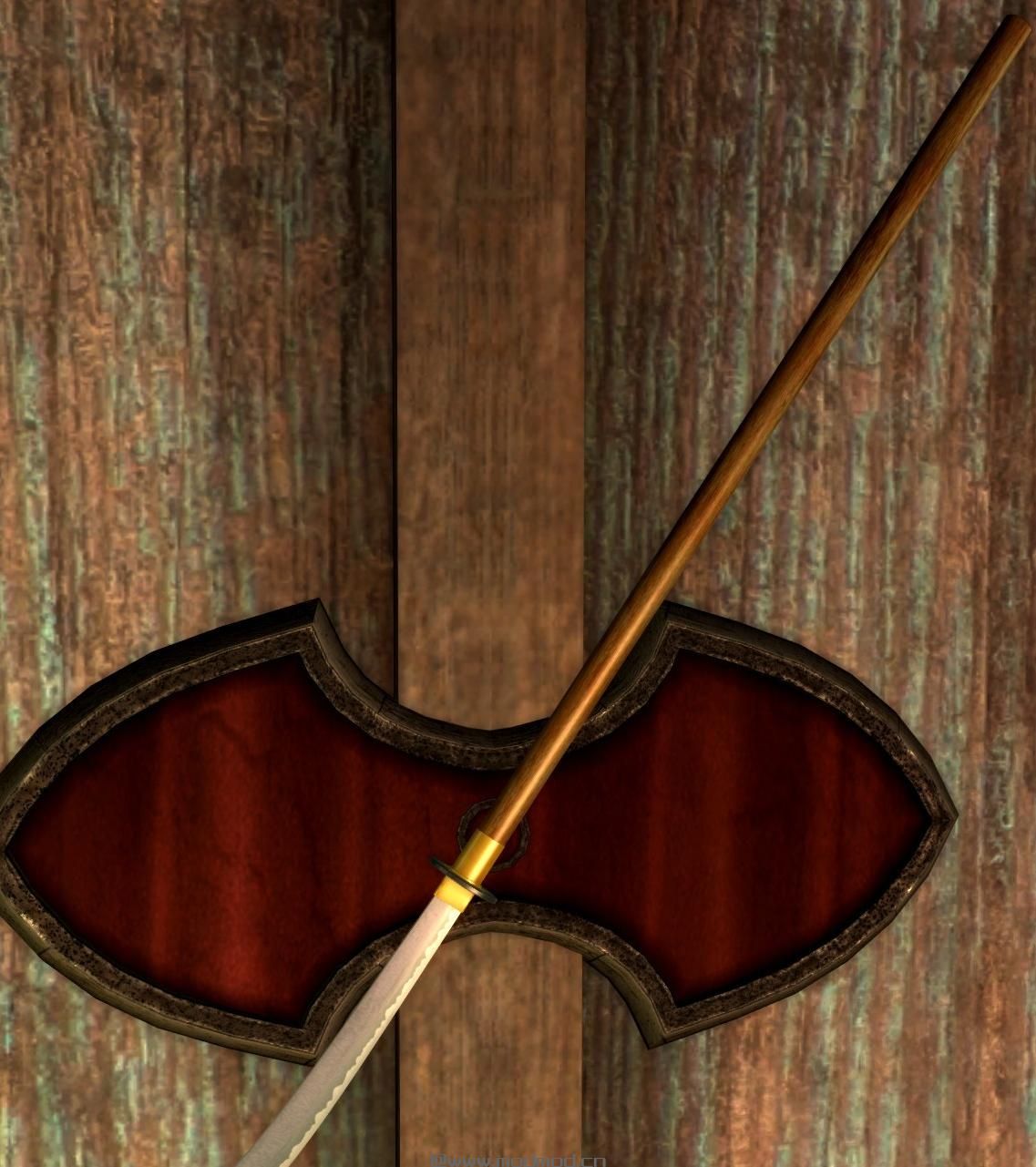
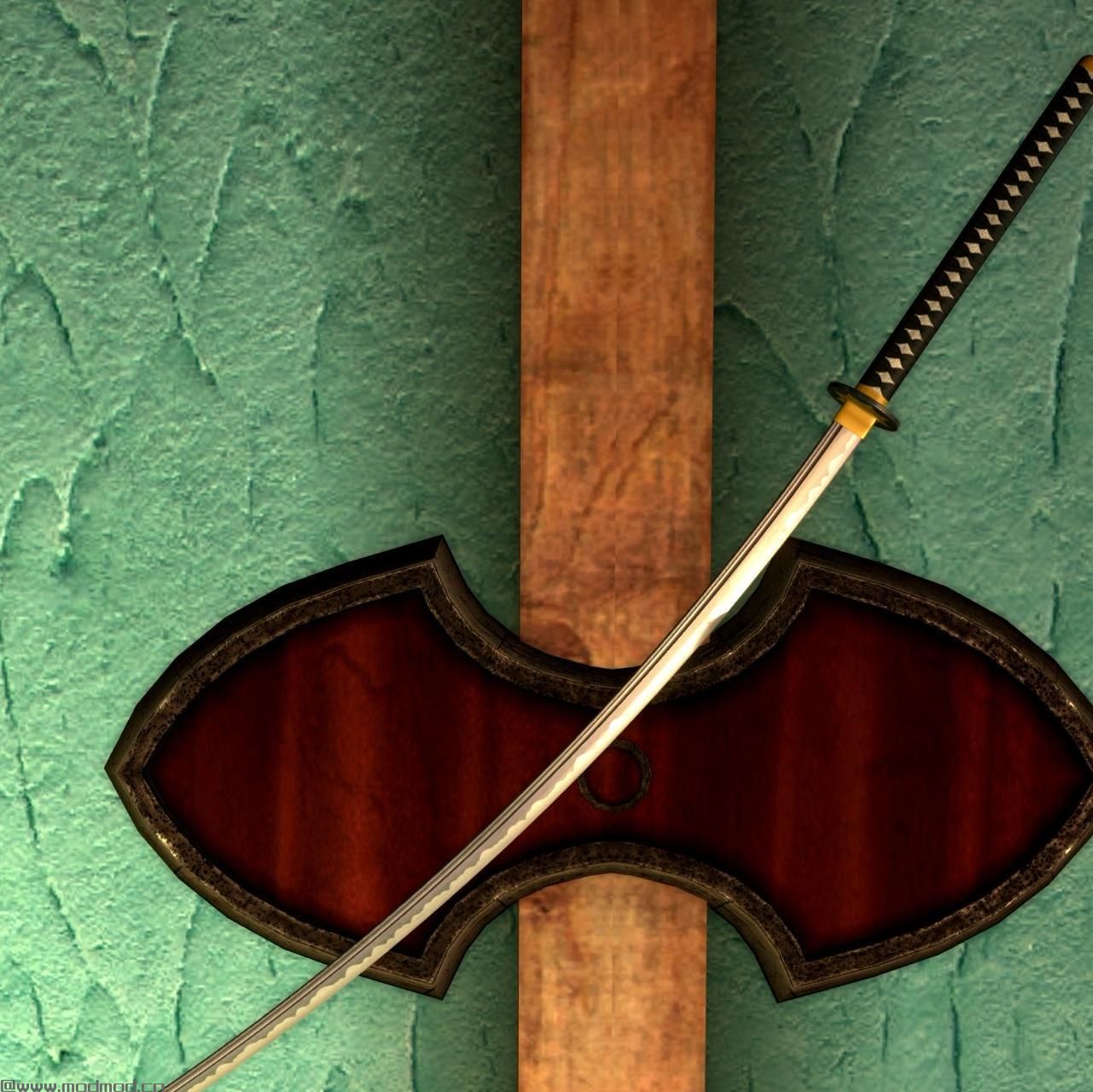
这些武器是:Katana,Wickizashi,zanbato(用来对付骑兵的大双手剑),nagamaki,naginata,Kikuchi Yari,两种类型的坦托和两种忍者。它们将在本自述结束时的另一节中更详细地描述。
额外武器:Morrowind和Skyrim的Goldbrand,Morrowind的Eltonbrand,以及Netflix最新版本的Bleach的ZanpakzuPaddle。
再加工和调制
作为我的大多数MODS,它的设计是为了便于重新加工,所以纹理是分开的,以及映射,这样你就可以交换一些其他的材料了。这可能不太容易做到的刀片,除非你愿意失去哈蒙,尽管即使在那里,如果你想结束一个更简单的金属刀片。
不过,您可以安全地替换类似的纹理,包括在Mod与其他。例如,如果你想用黑色的配件代替黄色的手柄,你只需要用忍者类似地,您可以用NinjatoTsuba.dds替换RoundTsuba.dds,以移除警卫上的黄星(虽然星状凹痕仍然存在)。同样的,也可以复制到Habaki.dds上,得到一个像忍者那样的钢刀套筒,而不是黄色的。
网片也是分开的,有点像在“梦幻之夜2”中,所以如果你不是为了复制NifSkope中的节点,你可以混合和匹配。带着方形守卫的Katana?在我的罗马矛杆上?在Epix匕首刀柄上的忍者刃?你能做到的。实际上,这只是复制和粘贴练习而已。
如何获得它
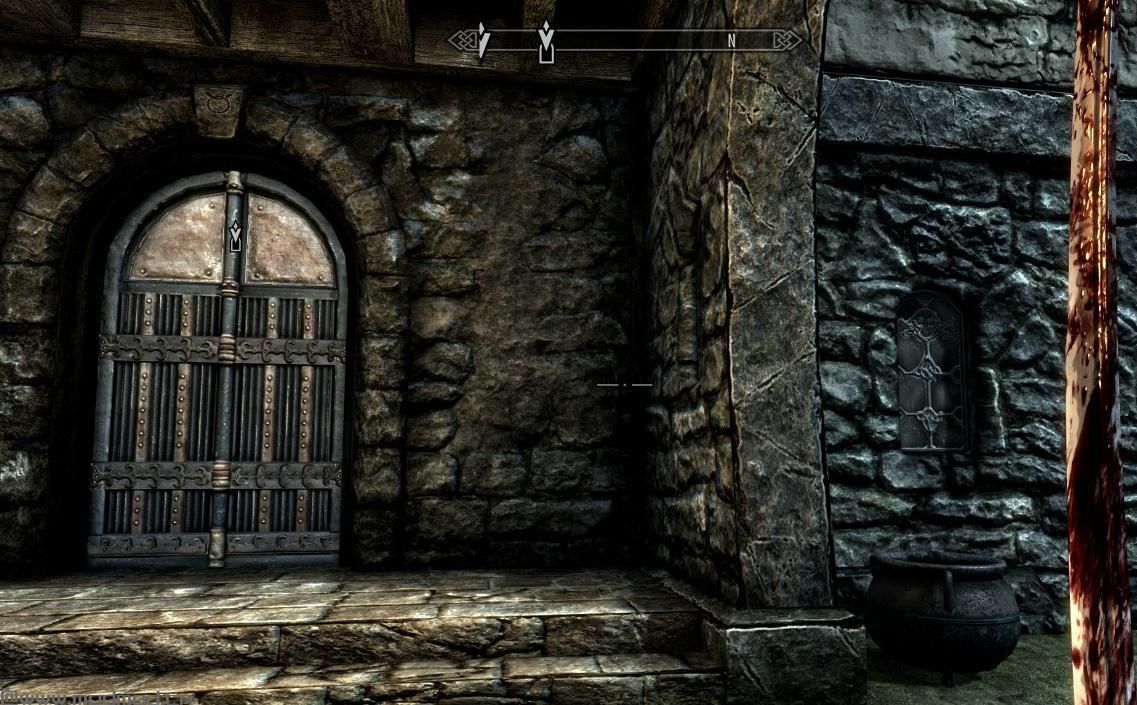
除了戈德布兰德和埃尔顿布兰德外,还有一个装有每一种武器和变体的箱子在靠近阿尔杜因长城的天国神庙里。似乎是找到古阿卡韦里武器最合乎逻辑的地方。箱子是锁着的,但它是个新手级的锁,所以不需要技巧就能打开它。尽管如此,带一两个锁具。
或者,你可以手工制作它们。正如前面所提到的,你可能需要搜查一个坟墓,寻找亚麻布包裹,尽管如此。(没人说他们会小题大做。)
戈德布兰德只能从参与马卡思鬼屋探险的Boethiah牧师那里获得,要么从他那里偷来,要么在最后抢夺尸体。暗地里刺杀博提亚的冠军偷了他们的武器,这才是博提亚想要的。(如果您已经错过了这个机会,请在控制台中输入“Help goldbrand”而不带引号,并输入“player.addtem xxxxxxxxxxxxxxxxxxxxxxxxxxxx1”,其中xxxxxxx是前面命令显示的项目id)。
埃尔顿品牌只能通过在锻造时采取令人发狂的斯米特惠和升级黄金品牌来获得。在“Daedric”类别下寻找。(或者通过上面的控制台。)
如何安装IT
在您的“数据”文件夹中解压包含目录的存档。在启动程序中的插件文件列表中选择它。
如何卸载IT
从数据目录中删除.esp文件。
删除网格\武器和纹理\武器目录中的WOTS目录。
冲突
它不应该与任何东西发生冲突。
许可证
我把它公之于众。你可以用它做任何你想做的事。当然,如果你给我学分的话,我会很感激的,但如果没有,我也可以接受。
详细武器描述
警告:这是大量的文字。如果你不是来这里上历史课或精确测量到最后一英寸,你可能想跳过它。只需信任手工菜单和每个武器的名称和图像。如果上面写着“naginata”,看起来就像一根杆子上的刀片,那么很有可能就是这样。
刀片采用Shobu-zukuri风格,也就是说,没有横滨线.有的有刀叉(如katana或忍者),有的则没有(匕首和naginata)。
他们是由折叠式钢(因此,金属图案),差异硬化(因此,传统的白色哈蒙沿边缘),和光泽和抛光的剑抛光艺术历史上得到的这一时期。我们说的是整个朝代的专门修剑工匠。
折叠或模式焊接钢有时被错误地称为“大马士革钢”,但这是不正确的。真正的大马士革钢是Wootz,这是一种合金,在回火过程中,高碳钢带自然析出。日本剑不是真正的大马士革钢,而是真正的模式焊接钢。你知道的,反复地折叠和锤打。
竹节(把手)运动传统的丝绸包装,日本的剑是众所周知的,同样(光线皮肤)根据实际的照片,旧的光线皮肤在拆卸的旧刀剑。但是要注意的是,白色的光线皮肤只在和平时期使用,用于仪仗队,等等。蕾丝皮很容易被水损坏,例如因为下雨,所以如果你不得不去打仗,你会拆开刀柄,把覆盖着黑色漆的光线皮放进去。不过,实际的包装是手工画的。
Tsuba(护卫)是基于历史江户时代的tsuba,由钢铁镶嵌的黄金,除了忍者,你不会想要这样闪亮的装饰。从历史上看,这种朴素的纸巾不仅比废金属纸巾更常见,而且实际上是强制武士在仪式性守卫岗位上做的,至少在幕府必须这样做的时候是这样做的。事实上,他们甚至不允许任何其他装饰,除了一个家庭的小插孔(冠)。其余的时间,装饰性雕刻被广泛使用,而许多更抽象的(像这个)是基于数字4和8,因为它们在佛教中的重要性。例如,某种形式的8点恒星或8辐轮,或任何带有8的东西,将意味着高贵的八倍路径。任何有4的东西都是四圣真理。有时,它们被组合在一起,例如由两个正方形组成的八点星。
请注意,当讨论低于1,shaku是非常接近1英尺,所以你可以采取的尺寸,几乎1比1,当比较日本的标准。
1.一片。这可能是最不需要介绍的武器。
这把剑有一个大约2.3度长的刀刃,这使得它成为了一个相当普通的藤本植物。大多数katana在2.4 shaku以下,有些明显低于2.4 shaku。但是没有固定的长度。要成为一个真正的katana,它可以在2 shaku(在2 shaku下,它变成了waizashi)和3 shaku(超过3 shaku,它就变成了odachi)之间的任何地方。刀片约1.2英寸(1太阳)宽和略低于四分之一英寸厚,两者都相当平均。当然,它的曲线很柔和,很大程度上是因为当你差异地硬化一把单刃剑时,就会出现这种情况。
你可以选择单手还是双手片。这两种武器都是同一种武器,但标记不同,所以游戏知道你想用一只手还是两只手握住它。两只手一只手不会像普通的两只手那样缓慢而猛烈地击球。它得到的基础伤害比香草双手(毕竟是相同的武器)的一个较小的推进,但也得到了一个提高的速度,成为一种快速武器。这也意味着库存中显示的基本伤害数将低于正常的大规模双手。但是因为速度,它实际上有很好的DPS。
此外,单手katana也有一个“大正”(长和短)鞘版本,基本上意味着它有一个护套的护甲附在鞘上。第二把剑实际上是无法使用的,而且技术上它甚至没有刀刃,但它是为了外表而存在的。那样的话,你看起来就像两把剑,就像一个真正的武士,而不仅仅是一把剑,就像一把低贱的青花剑。当然,由于没有显示任意武器的鞘,你总是可以装备一个武藏式的武器,并在你剪下武器的时候假装它在第二个剑鞘里。“。
2.在室内和其他空间里,人体防卫用的侧臂此外,唯一的剑允许阿什加鲁。
它有一个约1.8沙库长的刀片,这意味着它本身并不会错过作为一名katana的资格赛。叶片的宽度和厚度就像上面的片。
它的tsuba和katana一样,而且手柄更短,就像一般的wickizashi一样,因为它们严格地是单手武器。
在游戏中,瓦基扎希的基本伤害要比单手藤本式要小一些,但速度要快一点,所以所有的伤害都会乘以大致相等的DPS。
3.一种赞巴托,或“杀马剑”。我指的是历史武器,而不是超大的动画。是的,这种武器实际上是历史性的,但它在战场上的使用是有争议的。这很可能是一个日本人重新想象的中国战马刀,也意味着“杀马剑”,特别是因为它的文字与中国的完全相同。虽然它经常被吹嘘为能够一次划伤一匹马和它的骑手,但这是极不可能的,因为至少骑手会穿武士盔甲。但是,就像我刚才说的,我们不知道它在战场上是如何使用的,如果有的话。如果用的是中国的话,士兵们被训练在充电时单膝跪下,把一条腿从马上砍下来,然后在骑手落地后把他干掉。
在江户时代,无论如何,它不再被用作军事武器,尽管一些特大号的赞巴托和诺达基是作为史密斯技能的证明或作为祭祀而生产的。当然,有些人仍然保留着祖先的刀刃,例如在他们的神社里。
这是为数不多的日本剑之一,实际上有一个没有锋利的蓖麻,长度约1到1.5 shaku(在这一个上有一个shaku),所以你可以握住刀刃并使用它作为短矛。
这一个有一个4尺长的刀,约1.5英寸宽。就像塔奇和诺达奇一样,历史上的例子比比皆是,有的刀刃长达12沙库(英尺),可能太不切实际,无法在战斗中实际使用,而另一些则几乎没有足够长的时间来称得上奥达奇。
在游戏中,它只是比香草双手稍微快一点,因此在基础伤害上只受到轻微的惩罚。然而,它实际上-DPS-是双手藤本植物和那不勒斯,但只是一点点。正如你所期望的那样,它有着很高的触角,这毕竟是它存在的全部原因。它还有这些武器以及纳吉纳塔武器的最高几率。
4.长崎。nagamaki是一种有趣的球杆,因为它基本上有一个很长的藤条抓地力,实际上整个过程都被包裹着。甚至连这个名字的意思都是“长包装”。该刀片也是一个完整大小的片形刀或根植叶片,并像一个苗条一样,而不是更短和更宽的叶片上的纳吉纳塔。
所以,正如你所预料的,它的运动和katana一样的tsuba和sukka,只是它是一个更长的sukka。
这实际上是较短的长崎之一,但你必须在狭窄的走廊里使用它。它有约2.5 Shaku的刀片长度,约1.35英寸宽,与一个约2 Shaku手柄。更典型的是刀刃和剑柄都长了一点,但它们被用于对抗骑兵的露天战场上。
在游戏中,纳加玛基的基础伤害并不比双手藤本植物高得多,但也不会太慢。它在任何情况下都要比香草游戏双手快得多,但作为基础伤害的难度要小得多。它弥补了DPS,因为速度,所以不要气馁,如果库存或工艺菜单中显示的数字似乎有点低。
5.纳吉纳塔,日本最著名的政治。直到15世纪,它才成为战场上的主要战场。然而,它需要大量的训练和耐力才能很好地使用,廉价的ashigaru部队的崛起也意味着给他们很少的训练,甚至根本没有训练。只要给他们一支直尖矛,让他们保持尖头瞄准敌人,就更便宜、更有效了。因此,到江户时期,那吉纳塔已被完全淘汰为军事武器,并被降为武士妇女和女孩的自卫武器。理由是一个女人可以利用额外的距离和切断的力量来阻止攻击者。不管怎么说,现在你也可以像个女孩一样打架了;)
这是一个相当典型的纳吉纳塔,有一个略小于2的沙库叶片,开始相对笔直,但曲线更接近顶端。在开始向尖端倾斜之前,它也会稍微变宽。它有一个4英尺高的杆子,同样,对于江户时期的女人来说,它也是相当典型的。
6.穿甲器“,一种特别为穿甲而设计的丹托风格也就是说,日本人的细高跟鞋的想法。它有一个相对厚的刀片,有些甚至一直走到半英寸的底部,一个直背和一个更锥形的尖端。
这个特别的有一个0.3英寸厚的刀片和1.2英寸(1太阳)宽,几乎1沙库长。也就是说,这是有史以来最大的坦克之一。
它是在aikuchi的安装风格,这就是说,没有tsuba和典型的一个非包裹恙虫病。这种风格在江户时期非常流行,也就是我在这里做模特的时期。这一次,我给了它一个黑色漆木柄。
就伤害而言,它的伤害比片上的要小,但速度更快,所以它的工作原理大约相同的DPS。
7.奇萨马塔纳风格的坦托。这个词,意思是“短片假名”,在不同的时间意味着不同的东西,例如,它最初的意思是我们现在所说的“katana”。但在江户时期,它的意思是一个有一个tsuba,通常是一个竹节(缠在握把上),就像一个藤本植物。你知道,相对于日本人更普遍的日本菜风格。
它有一个0.7沙库长的刀片,大约1英寸宽的底部,略小于0.2英寸厚。
就伤害而言,它的伤害比片上的要小,但速度更快,所以它的工作原理大约相同的DPS。
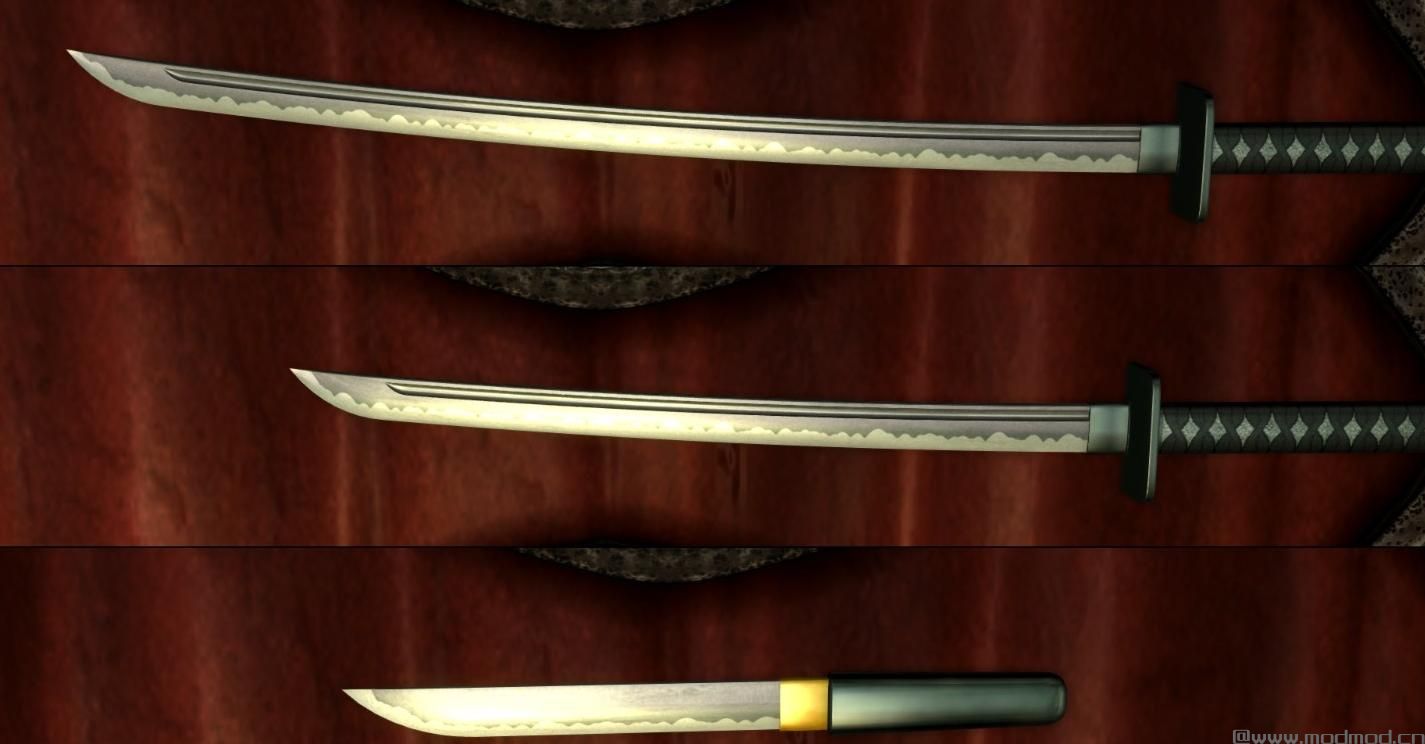
8.忍者,即“忍者刃”。这是一个更短,更少弯曲的katana,只有大约1.8沙库刀片长度,一个方形tsuba和一个全尺寸的katana柄。
虽然这是不可避免的差异锻造剑会弯曲一点,但它实际上可以是非常少,甚至可以进一步减少抛光。有历史的刀片,特别是来自仙谷吉代岛,只有0.1英寸索里。(后弧与直线的最大差)几乎是直的。
制造一个历史上准确的忍者有一个问题,在那个时代没有人写过关于忍者刀片的文章,也没有人使用过“忍者”、“忍者肯”或“神之眼”这个词。这使得一些人直言不讳地宣称,“忍者不存在”,这在技术上是正确的,在技术上也是错误的。的确,在这一时期的文本中,没有一处提到过“忍者”或“神仙”,这也是因为中世纪没有像现代那样的品牌狂热。即使是欧洲的刀刃,在奥克肖特之前也没有人真正想到要对刀刃进行分类(彼得森的分类大多是对刀柄进行分类)。剑就是剑。您可以添加一些描述性形容词,如“长剑”、“大/大剑”或“老剑”,但这不是类型学。对日本人来说也是这样:片假名就是假币。现在所有与忍者剑相关的元素(方形护卫、小曲率、短刃、背等)都得到了实际武器的充分支持,并且存在得很好。只是没人会称它为“忍者之剑”,他们只会称它为“武士刀”。而且,从技术上讲,它们并不是只有忍者才能使用,因为很多武士也使用过这样的剑。很短的版本:这是一个不同但历史悠久的体式,真的。
就像katana一样,你可以选择单手还是双手忍者。这两种武器都是同一种武器,但标记不同,所以游戏知道你想用一只手还是两只手握住它。它得到的基础伤害比香草双手(毕竟是相同的武器)的一个较小的推进,但也得到了一个提高的速度,成为一个非常快的武器。这也意味着库存中显示的基本伤害数将低于正常的大规模双手。但是因为速度,它实际上有很好的DPS。
此外,双手忍者也可用的“双鞘”配置。基本上刀鞘上有一个完整的第二个忍者,所以你可以看起来像你背上有两把剑,就像在一些忍者电影里一样。你不能实际使用第二把剑,而且技术上它甚至连一把剑都没有。只是为了外表。
从1.02开始,单手忍者被算作偷袭的匕首,而双手忍者变体也会受到偷袭的伤害,所以你有一个动机去玩,你知道,就像一个忍者。
9.一条小腿。“忍者katana”,这实际上是日本人对西方所谓的忍者的解读。在这个模式中,它只是指一个忍者,有一个更长的,假名大小的刀刃,或者相反的,一个不那么弯曲的katana,有一个方形的护卫。
同样的历史性警告适用于忍者。与此相同的剑实际上存在于“仙谷吉岱”时期,但它们只是被称为“片假名”,一般被普通武士使用。当然,在江户时期,他们也是违法的,因为广场的Tsuba(手护卫)。
它有一只手的版本,两只手,大正(臀部长而短的忍者)和双鞘(双手背)。对于大正和双鞘版本,基本上鞘有一个完整的第二个忍者,所以你可以看上去像你有两把剑,就像在一些忍者电影。你不能实际使用第二把剑,而且技术上它甚至连一把剑都没有。只是为了外表。对于大正版本,你可以装备普通忍者的手,并假装它进入较短的鞘时,不使用。
对于数据和材料,它是相同的正常忍者。这也意味着,就像其他忍者一样,它比一场站立式战斗中的Katana稍弱但速度更快,但它在隐形攻击中得到了巨大的奖励。所以你有动力去玩,你知道,就像忍者:P
10.一只诺达基。在“战争剑”的意义上,“野剑”曾经是武士的主要武器,一直贯穿于日本的“尖谷”,实际上是武士的第二把剑。虽然现在的人们倾向于认为katana是武士的武器,但实际上它是快速的,致命的,也有射程,并且是武士的首选战争武器。尽管如此,在“仙宿吉代伊”之后,剑的最大尺寸被强加在了刀剑上,而在公共场合戴剑也成为了违法行为,而这正是终结它作为武士近战武器的真正原因。许多被削减到片那大小,不幸地摧毁数以千计的历史武器,摧毁史密斯一家在唐人的签名,而一些被保存在家庭的神社,就像赞巴托。
也被称为“o-dachi”,即“大剑”,因为它的刀刃长。任何有3或更长的刀刃长度的东西,从定义上来说都是一个o-DACHI。不过,这两个名字并不是相互排斥的。“o-dachi”是一种大小的表述,而“noadachi”则是一种角色或目的陈述。
这也是像Oblivion这样的游戏所称的“Daikatana”,这是对日本“o-dachi”符号的错误解读。但是,不管怎么说,如果你想让你的刀锋成员挥舞一个“大卡塔那”,就像在奥布利维翁一样,就是这样。
如果你想演奏某个白头发的杰诺瓦的见证者,也很有用;)
在这个模式中,它几乎和桑巴托一样,除了没有蓖麻酱。基本上,如果蓖麻酱让你烦心的话,就用诺达基代替吧。
我也保持笔直的抓地力,因为虽然大多数人都有刀柄继续刀刃的曲线,但游戏的动画是用相反的方向弯曲的握柄,所以适当的Tachi抓地力会导致更糟糕的左手剪裁问题。不过,这并不完全是历史性的,因为许多人确实有直截了当的刀柄。
我在刀柄上给了它黑色的配件和黑色的漆皮,因为,就像我刚才说的,粗糙的射线皮很容易被雨水破坏,因此在野外,他们会用黑色的漆皮来代替白色的光线皮肤。这是一把野战剑。我也给它一个八角形tsuba(护手),只是不太一样的赞巴图。
11.a Kikuchi Yari。正如电影“13刺客”中所看到的。这是一种刀尖用坦托刀刃的长矛,意味着它只在一侧被磨尖。不像其他类型的Yari,大部分都可以切割,但不是很好,这是优秀的切割,并在历史上被用于黑客和砍。这使得这是一个明显的选择,在一个游戏的动画是为削减。这也是唯一种日本的长矛,有一个刀(刀袖)的刀片。
在江户时期,这是一种更普遍的兵器,而不是武士兵器,尽管在时期的文字和插图中,它们偶尔被描述为即使是非常高级的武士也会使用。
注意,轴前面的金属部件不是套筒,因为这种矛是像纳吉纳塔那样安装的,而不是套筒安装的。事实上,安装在这一个,包括哈巴基,是完全一样的剑是如何固定在手柄。金属部分只是把木头固定在长堂周围。
历史上,这种矛总是有一个刀鞘的尖端,所以它也有一个在这个模式。
由于游戏中没有合适的长矛动画,握着它就像一把剑看起来很糟糕,所以它被宣布为游戏中的战场斧。对于材料和统计数据,它是相同的纳吉纳塔。
它紧紧抓住刀刃,因此坐在这么高的背上,因为我希望刀刃能像杀人游戏动画所期望的那样。例如,当你从后面砍某人的腰部时,你用刀刃而不是用杆子黑进他们的腰部。也就是说,它适合游戏现有的动画,就像我的其他武器一样。
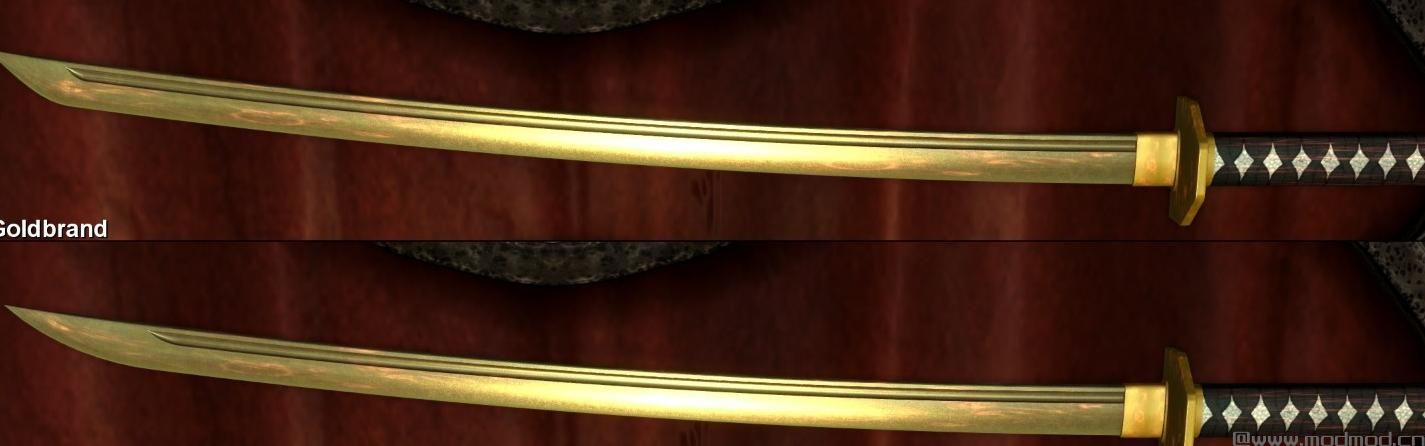
来自Morrowind和Oblivion的Goldbrand。它实际上只是一个更有角度的尖,有一个金色的刀刃和一个火焰附魔。这不是一件历史武器,但对Skyrim来说是传说中的武器。它只能通过香草的探索弧获得。(寻找马卡思的鬼屋,做些任务,最后一定要把尸体洗劫一空。)或者在控制台中键入“Help goldbrand”,并使用player.addtem将其交给自己)
一旦获得,它可以自由转换在任何锻造单手和双手版本,不需要额外的材料,因为它不需要真正的再锻造转换之间的单手或使用两只手的片假币。但是,任何增强功能都将丢失。
与其他武器不同的是,它不能被制造,并被算作一种用于增强的Daedric人造武器。它需要一个金条来增强。
它比其他的刀片更强大,除了Eltonbrand,但它已经有一个魔法,所以它不能再被魔法,你不能做更多。
它有一个巨大的背刺奖金,如果你有秘密福利,就像匕首。(嘿,Boethiah是暗杀案的王子。)它对亡灵也有银效果。
13:来自Morrowind的Eltonbrand。这是一个升级的黄金品牌与一个更锐利的尖端和增加的伤害,无论是基础和魔法。它只能通过在锻造时将金标重锻造成Eltonbrand来获得。Goldbrand将在此过程中使用,因此您不能在不使用控制台的情况下两者兼得。它需要人类的心和刀剑。这不是历史武器。
一旦制作完毕,它就可以在任何锻炉上自由地转换成单手和双手的版本,不需要额外的材料,因为它不需要真正的再锻造就可以在一手握着一只手或两只手之间转换一个假币。但是,任何增强功能都将丢失。
与其他武器不同的是,它只能通过从另一个任务武器(戈德布兰德)中获得,并被算作一件用于增强的Daedric人造武器。它需要一个金条来增强。
这是一个非常强大的武器,奖励那些谁做边任务和投资于福利。
它有一个巨大的背刺奖金,如果你有秘密福利,就像匕首。(嘿,Boethiah是暗杀案的王子。)它对亡灵也有银效果。
14:来自Netflix“Bleach”电影的赞帕克托。这不是一种历史或现实的武器。事实上,即使它是用铝做的,你也可能无法摆动它。但如果你喜欢贝丝的剑,这把绝对符合你的要求。抱歉,这看起来太可笑了,我不得不重新开始做模特儿。
如果你对这种东西不感兴趣,你就永远不会在游戏中看到它,除非你自己制作或者用控制台把它送给自己。所以你可以忽略它,使用历史的。
它也很强大,可以背刺,并且对亡灵有银效果。因为,你知道,桑帕克托的全部意义在于与技术上是鬼魂的东西作斗争。
版本历史
1.07:
增加了来自Netflix“Bleach”电影的动画Zanpakector
1.06:
加戈德布兰德
添加Eltonbrand
1.05a:
修正2小时忍者和小腿姿势,使用时不会提高双手技能。
修正了1小时的非大正神州记录错误的第一人称记录。
1.04:
增加了新的忍者,即长忍者。
加了
Kikuchi Yari
使Zanbato(和Nodachi)的手柄更厚更宽。
在所有忍者身上用黑色漆皮代替白色的光线(不想在一英里之外看到手柄)
使其他剑上的红皮肤变白,而不是粉红。
修正了所有剑上的光线皮肤纹理。
1.03:
重做katana(全部3个版本),wokizashi,忍者(全部3个版本),nagamaki和zanbato刀片
再一次调整刀片的纹理
光泽叶片
所有的刀刃上都有更好的血液
将所有三个版本的忍者标记为匕首和剑,因此他们从衣服上的单手法术魔法和巨大的隐形攻击奖励中获得伤害加成。
1.02:
约罗伊多什和奇萨加塔纳现在被正确地标记为匕首,所以你可以在偷袭时得到15倍的伤害加成。
忍者也被内部标记为匕首,所以你也可以用它偷袭造成15倍的伤害。我想你不应该因为和忍者一起玩忍者而受到惩罚。
2小时忍者和双忍者现在差不多是2小时匕首。你可以和他们一起偷袭7.5倍。
1.01:
重做naginata刀片
移除所有刀片上的刀口
略脏的金属质地
取下亚麻布,用来制作玉石,因为它没有包裹。
在大多数刀片上重做锯条(刀片领),以更好地适应新的刀片。
增加了箱子,为那些不能或不愿手工艺的人
调整叶片的光泽度
1.0:
第一次发布。————————————————————————————————————————————————————————————
WHAT IT DOES
It adds a few Edo era Japanese... err... I mean, Akaviri weapons, because you can never have enough katanas in a game ;)
The weights, speed and damage are loosely based on the existing Akaviri katana in the game, and my own extrapolations for the other weapons than the katana. Most weapons are fairly fast, especially the two handed katana and ninjato, which offer a completely different two-hander experience from the normal game weapons. They're also all set to silent for detection, since, well, if it was silent enough for the ninja, it's silent enough for me.
All weapons except the naginata have custom lacquered scabbards.
All weapons need steel and firewood to craft, and the ones with wrapping on the hilt also need linen wraps. So you might need to raid some tomb for linen if you want to craft them.
The weapons are: katana, wakizashi, zanbato (big two-hander sword used against cavalry), nagamaki, naginata, kikuchi yari, two types of tanto, and two types of ninjato. They'll be described in more detail in another section at the end of this readme.
Bonus weapons: Goldbrand from Morrowind and Skyrim, Eltonbrand from Morrowind, and the Zanpakuto paddle from the latest Netflix version of Bleach.
RETEXTURING AND MODDING
As most of my mods, it's designed for ease of retexturing, so the textures are separate pieces, and the mapping such that you can just swap in some other material. This is probably less easy to do for the blade, unless you're willing to lose the hamon, though even there it's possible if you want to end up with a more simple metal blade.
You can however safely replace similar textures included in the mod with each other. E.g., if you want a tsuka (handle) with black fittings instead of yellow, you can just replace the Tsuka.dds file with the NinjatoTsuka.dds, and suddenly the katana, ninjato and nagamaki will have black at the ends of the tsuka too. Similarly you can replace the RoundTsuba.dds with the NinjatoTsuba.dds to remove the yellow star on the guard (though the star-shaped indentation will remain.) The same can be copied over Habaki.dds to get a steel blade sleeve like the ninjato has instead of the yellow one.
The mesh pieces are separate too, somewhat like in Neverwinter Nights 2, so if you're not affraid to copy nodes around in NifSkope, you can mix and match. Katana with square guard? Wakizashi blade on the pole on my Roman Spear? Ninjato blade on an Epix Dagger hilt? You can do that. It's just copy-and-paste exercises, in fact.
HOW TO GET IT
A chest containing one of each weapon and variant except Goldbrand and Eltonbrand is in the Skyhaven Temple, near Alduin's Wall. Seemed like the most logical place to find ancient Akaviri weapons. The chest IS locked, but it's a novice-level lock, so it takes no skill to open it. Still, bring a lockpick or two.
Alternatively, you can craft them. As mentioned, you might need to raid a tomb for linen wraps for the tsuka, though. (Nobody said they'd be trivial to get.)
Goldbrand can only be obtained from the priest of Boethiah involved in the haunted house quest in Markarth, either stealing it from him or looting the body at the end. Backstabbing Boethiah's champion to steal their weapon is really what Boethiah would have wanted. (If you already missed that opportunity, type "help goldbrand" in the console without the quotes, and "player.additem xxxxxxxx 1" to give it to yourself, where xxxxxxxx is the item id that the previous command showed.)
Eltonbrand can only be obtained by taking the daedric smithing perk and upgrading Goldbrand at a forge. Look for it under the "Daedric" category. (Or via the console like above.)
HOW TO INSTALL IT
Extract the archive, with directories, in your "Data" folder. Select it in the list of plugin files in the launcher.
HOW TO UNINSTALL IT
Delete the .esp file from your Data directory.
Delete the WOTS directory in both the Meshes\Weapon and Textures\Weapons directories.
CONFLICTS
It shouldn't conflict with anything.
LICENSE
I release it in the public domain. You can do anything you wish with it. I would, of course, appreciate it if you give credit, but if not, so be it, I can live with that too.
DETAILED WEAPON DESCRIPTIONS
Warning: this is a lot of text. If you didn't come here for a history lesson or exact measurements down to the last inch, you may want to skip it. Just trust the crafting menu and the names and images of each weapon. If it says for example "naginata" and looks like a blade on a pole, chances are it will simply be just that.
The blades are made in shobu-zukuri style, which is to say, without a yokote line. Some have fullers (e.g., the katana or ninjato), some don't (the daggers and naginata).
They are made of folded steel (hence the metal pattern), differentially hardened (hence the traditional white hamon along the edge), and as shiny and polished as the art of sword polishing historically got in this period. We're talking whole dynasties of specialized sword-polisher craftsmen.
The folded or pattern welded steel is sometimes incorrectly called "Damascus steel", but that's incorrect. The real Damascus steel is Wootz, an alloy where bands of high-carbon steel precipitate naturally during tempering. Japanese swords are not real Damascus steel, but really pattern welded steel. You know, folded and hammered repeatedly.
The tsuka (handles) sport the traditional silk wrap that Japanese swords are well known for, and same (rayskin) based on actual photos of old rayskin in disassembled old swords. Note however that white rayskin was only used in times of peace, for ceremonial guard duty, and so on. Rayskin is very easily damaged by water, for example from rain, so if you had to go to war or such, you'd disassemble the hilt and put in rayskin covered in black lacquer. The actual wrapping, though, is hand-drawn.
The tsuba (guard) is based on a historical Edo era tsuba, made of steel with inlaid gold, except for the ninjato where you wouldn't want such shiny decorations. Historically speaking, such plain disc tsuba were not just more common than the ellaborate metal doilies, but actually mandatory for samurai on ceremonial guard duty, at least when they had to do it at the shogun's palace. In fact, they weren't even allowed any other decoration than a small cutout of the family mon (crest.) The rest of the time, decorative engravings were used extensively though, and many of the more abstract ones (like this one) were based on the numbers 4 and 8, because of their significance in Buddhism. E.g., some form of 8-point star or 8-spoke wheel, or really anything with 8, would mean the Noble Eightfold Path. Anything with 4 was the Four Noble Truths. Sometimes they were combined, for example as an 8-point star made of two squares.
Note that when discussing the dimesions below 1 shaku is very very close to 1 foot, so you can take the dimensions pretty much 1 to 1 when comparing to japanese standards.
1. A katana. This is probably the weapon that needs the least introduction.
This one got an approximately 2.3 shaku long blade, which actually makes it a fairly average katana. Most katanas are under 2.4 shaku, some significantly under. There is no fixed length though. To be a proper katana, it can be anywhere between 2 shaku (under that, it becomes a wakizashi), and 3 shaku (over 3 shaku, it becomes an odachi.) The blade is about 1.2 inch (1 sun) wide and a little under a quarter of an inch thick, both of which are fairly average. And, of course, it sports a gentle curve, largely because that's what happens when you differentially harden a single-edge sword.
You get a choice of single-handed or two-handed katana. Both are the same weapon, but it's flagged differently so the game knows if you want to hold it with one hand or both hands. The two-handed one doesn't become slow and hard-hitting like the normal two handers. It gets a smaller boost in base damage than the vanilla two-handers (it's the same weapon, after all), but also get a boost in speed, becoming a fast weapon. This also means that the base damage number shown in the inventory will be lower than for the normal massive two-handers. But because of the speed, it actually has very good dps.
Furthermore, the single-handed katana is also available in a "daisho" (long and short) scabbard version, basically meaning that it has a sheathed wakizashi attached to the scabbard. The second sword cannot actually be used, and technically it doesn't even have a blade, but is there for the looks. That way you can look like you're wearing both swords, like a real samurai, not just one sword like a lowly ashigaru. Of course, since the scabbard for the offhand weapon isn't shown, you can always equip a wakizashi in the off-hand, Musashi style, and pretend it goes in the second scabbard when you sheathe your weapons.
2. A wakizashi, the side-arm for personal defense indoor and in other s where a katana would have been less practical. Also, the only sword allowed for Ashigaru.
It's got a blade that's about 1.8 shaku in length, which means it doesn't miss qualifying as a katana itself by much. Blade width and thickness are just like for the katana above.
It has the same tsuba as the katana, and a shorter handle, as was generally the case for wakizashi, since they were strictly one-hand weapons.
In the game, the wakizashi has a little less base damage than the one-handed katana, but is a little faster, so it all multiplies to roughly equal DPS.
3. A zanbato, or "horse slaying sword". And I mean the historical weapon, not the oversized anime one. And yes, the weapon is actually historical, but its use on the battlefield is disputed. It's likely a Japanese re-imagining the Chines Zhanmadao, also meaning "horse slaying sword", especially since it's written with the exact same characters as the Chinese one. Although it's often hyped as being able to cut a horse and its rider in one stroke, that's highly unlikely given that at least the rider would wear samurai armour after all. But, as I was saying, we don't know exactly how it was used on the battlefield, if at all. If it was used anything like the Chinese one, for that one the soldiers were trained to kneel on one knee when charged and slice one leg off the horse, then finish off the rider after he hits the ground.
By the Edo era, at any rate, it was not used as a military weapon any more, though some oversized zanbato and nodachi were produced as proof of a smith's skill or as offerings to shrines. And of course some people still kept their ancestors' blade around, for example in their shinto shrine.
It's one of the few Japanese swords that actually has an unsharpened ricasso, about 1 to 1.5 shaku in length (1 shaku on this one), so one can grip the blade and use it as a short spear.
This one has a 4 shaku long odachi blade, and about 1.5 inch wide. Like the tachi and nodachi, historical examples are all over the place, with some blades as long as 12 shaku (ft) and probably too impractical to actually use in a battle, while others were barely long enough to qualify as an odachi.
In game, it's only marginally faster than vanilla two-handers, and thus only marginally penalized in base damage. However, it actually out-dps-es the two-handed katana and nagamaki, but only marginally. As you'd expect from something this size, it has very high reach, which was after all its whole reason to exist. It also has the highest stagger chance of these weapons, together with the naginata.
4. A nagamaki. The nagamaki is an interesting polearm, in that it basically has a long katana grip that is actually wrapped all the way. Even the name means "long wrap." The blade is also a full sized katana or nodachi blade, and slender like one, instead of the shorter and wider blade on a naginata.
So, as you'd expect, it sports the same tsuba and tsuka as the katana, only it's a much longer tsuka.
This is actually one of the shorter nagamaki, but you do have to wield it in cramped hallways. It has about 2.5 shaku worth of blade length, and about 1.35 inches broad, with an about 2 shaku handle. The more typical ones were a little longer in both blade and hilt, but they were used on open battlegrounds against cavalry.
In the game, the nagamaki has not much higher base damage than the two-handed katana, but is also only not much slower. It is in any case much faster than the vanilla game two-handers, but less harder hitting as base damage. It makes up in DPS because of the speed, so don't be discouraged if the numbers shown in the inventory or crafting menu seem a bit low.
5. A naginata, the better known Japanese polearm. Until the 15'th century it was the main polearm on the battlefield. However, it required lots of training and stamina to use well, and the rise of the cheap ashigaru troops also meant giving them little training or even no training at all. It was cheaper and more effective to just give them a yari (straight-tipped spear) and tell them to keep the pointy end aimed at the enemy. So by the Edo period, the naginata was completely phased out as a military weapon, and was relegated to the role of self-defense weapon for samurai women and girls. The rationale being that a woman could use the extra range and cutting power to keep an attacker at bay. Anyway, now you too can fight like a girl ;)
This one is a fairly typical naginata, with a slightly less than 2 shaku blade that starts relatively straight, but curves more towards the tip. It also widens slightly before starting to taper towards the tip again. It has a 4 ft pole which, again, is actually pretty typical for an Edo period woman's naginata.
6. A yoroidoshi, a#k#a., "armour piercer", a style of tanto especially designed for piercing through armour. I.e., the Japanese idea of a stiletto. It has a relatively thick blade, some even go all the way to half an inch at the base, a straight back and a more tapered tip.
This particular one has a 0.3 inch thick blade and 1.2 inch (1 sun) wide, and almost 1 shaku long. I.e., it's one of the largest tanto ever made.
It is made in aikuchi mounting style, which is to say, without a tsuba and with typically a non-wrapped tsuka. This style got very popular for tanto in the Edo period, which is to say, the period I'm modelling here. For this one, I gave it a black lacquered wooden handle.
Damage-wise, it does less damage than a katana, but is faster, so it works out to about the same dps.
7. A chiisagatana style tanto. The term, meaning "short katana" meant different things at different times, e.g., originally it meant what we now call "katana". But by the Edo period, it meant a tanto which has a tsuba and usually a tsukamaki (wrapping on the grip), like a katana. You know, as opposed to the aikuchi style that had become more common for tanto.
It has a 0.7 shaku long blade, about 1 inch wide at the base, and a little less than 0.2 inch thick.
Damage-wise, it does less damage than a katana, but is faster, so it works out to about the same dps.
8. A ninjato, i.e., "ninja blade." It's a shorter and much less curved katana, only about 1.8 shaku blade length, with a square tsuba and a full-sized katana hilt.
While it's inevitable that a differentially forged sword will curve a little, it can be actually very little, and it can be even further reduced during polishing. There are historical blades, especially from the Sengoku Jidai, with as little as 0.1 inch sori. (Maximum difference between the back arc and a straight line.) Which is very nearly straight.
Making a historically accurate ninjato has the problem that nobody in that era wrote about ninja blades, or indeed ever used the terms "ninjato" or "ninja ken" or "shinobigatana." Which made some people flat-out proclaim, "ninjatos didn't exist", which is actually both technically true and technically false. While indeed there is not a single mention of a "ninjato" or "shinobigatana" in period texts, that's also because medieval times didn't have a branding mania like modern times. Even for the European blades, it didn't actually occur to anyone before Oakeshott to actually classify the blades (Petersen classification mostly classified the hilt.) A sword was a sword. You could add some descriptive adjectives like "long sword" or "big/great sword" or "old sword", but that was not a typology. So it was for the japanese too: a katana was a katana. All the elements that nowadays are associated with ninja swords (square guards, little curvature, shorter blades, carrying on the back, etc,) are well supported by actual weapons, and existed all right. Just nobody would call it a "ninja sword", they'd just call it a "katana." And, technically, they weren't really used only by ninjas anyway, as many samurai used such swords too. Short version: it's a different but historical katana, really.
Just like for the katana, you get a choice of single-handed or two-handed ninjato. Both are the same weapon, but it's flagged differently so the game knows if you want to hold it with one hand or both hands. It gets a smaller boost in base damage than the vanilla two-handers (it's the same weapon, after all), but also get a boost in speed, becoming a very fast weapon. This also means that the base damage number shown in the inventory will be lower than for the normal massive two-handers. But because of the speed, it actually has very good dps.
Furthermore, the two-handed Ninjato is also available in a "dual scabbard" configuration. Basically the scabbard has an entire second ninjato attached to it, so you can look like you have two swords crossed on your back, like in some ninja movies. You can't actually use the second sword, and technically it doesn't even have a blade. It's just for looks.
As of 1.02, the one-handed ninjato counts as a dagger for sneak kills, and the two-handed ninjato variants also got a boost in damage from sneak, so you have an incentive to play, you know, like a ninja.
9. A shinobigatana. A#k#a., "ninja katana", which is really the Japanese reading of what the West calls a Ninjato. In this mod, it simply means a ninjato with a longer, katana-sized blade, or conversely a less curved katana with a square guard.
The same historicity caveats apply as for the Ninjato. Swords identical to this actually existed during the Sengoku Jidai, but they'd just be called "katana" and be generally used by normal samurai. And of course they'd be illegal during the Edo period because of the square tsuba (hand guard.)
It's available in one handed versions, two handed, daisho (long and short ninjato on the hip), and dual scabbard (two-handed on the back). For the daisho and dual scabbard versions, basically the scabbard has an entire second ninjato attached to it, so you can look like you have two swords, like in some ninja movies. You can't actually use the second sword, and technically it doesn't even have a blade. It's just for looks. For the daisho version you can however equip the normal ninjato in the off-hand, and pretend it goes into the shorter scabbard when not in use.
For the stats and materials, it's identical to the normal ninjato. Which also means that, just like the other ninjato, it's slightly weaker but faster than a katana in a standup fight, but it gets a massive bonus for stealth attacks. So you have an incentive to play, you know, like a ninja :p
10. A nodachi. Meaning "field sword" in the sense of "war sword", the nodachi used to be the main weapon of the samurai before and all through the Sengoku Jidai, with the katana actually being the second sword. While people nowadays tend to think the katana is THE samurai weapon, actually the nodachi was fast, deadly and had the range too, and was the preferred war weapon of the samurai. After the Sengoku Jidai, though, maximum sizes were imposed on swords, and the nodachi became illegal to wear in public, which is really what it took to end its status as THE melee weapon of the samurai. Many were cut down to katana sizes, unfortunately destroying thousands of historical weapons, and destroying the smiths' signatures on the tang, while some were kept in the family's shinto shrine just like the zanbato.
Also known by the name of "o-dachi", i.e., "great sword", because of its blade length. Everything with 3 shaku or more blade length was an o-dachi by definition. The two names are not mutually exclusive, though. While "o-dachi" is a statement of size, "nodachi" is a statement of role or purpose.
It's also what games like Oblivion called a "Daikatana", which is the wrong reading of the Japanese signs for "o-dachi". But, anyway, if you wanted your Blades member to wield a "daikatana" like in Oblivion, this is it.
Also useful if you wanted to play a certain white haired Jenova's Witness ;)
In this mod, it's almost identical to the zanbato, except without the ricasso. Basically if the ricasso bothered you, just use the nodachi instead.
I also kept the straight grip, because although most had the hilt continue the curve of the blade, the game's animations are for grips curved in the opposite direction, so a proper tachi grip would cause even worse clipping problems with the left hand. It's not completely ahistorical, though, because many did have straight hilts.
I gave it black fittings and black lacquered rayskin on the hilt, because, as I was saying, raw rayskin is easily destroyed by rain, and thus in the field they'd replace the white rayskin with black lacquered rayskin. And this is a field sword. I also gave it an octogonal tsuba (handguard), just not to be TOO identical to the zanbato.
11. A kikuchi yari. As seen in the movie "13 Assassins." It's a type of spear with a tanto blade for a tip, meaning it's sharpened only on one side. Unlike other kinds of yari, most of which CAN cut, but not too well, this one is excellent at cutting and was historically used for hacking and slashing. Which made it an obvious choice for a game where the animations are for cutting. It's also the only type of Japanese spear that has a habaki (blade sleeve) for the blade.
By the sengoku jidai times, and even more so during the Edo period, this would be more commonly an ashigaru weapon, rather than a samurai weapon, although they ARE occasionally depicted in period texts and illustrations as being used even by very high ranking samurai.
Note that the metal parts at the front of the shaft are not sockets, since this type of spear is tang-mounted like the naginata, not socket mounted. In fact, the mounting on this one, including the habaki, is pretty much identical to how a sword was fixed to the handle. The metal parts just hold the wood together around the long tang.
Historically, this kind of spear would always have a saya (scabbard) for the tip, so it got one in this mod too.
Since the game doesn't have proper spear animations, and holding it like a sword looks pretty bad, it is declared as a battleaxe in the game. For the materials and stats, it's identical to the naginata.
It is gripped so close to the blade, hence sits so high on the back, because I wanted the blade to be roughly where the killmove game animations expect it to be. E.g., when hacking at someone's waist from behind, that you hack into them with the blade, not with the pole. I.e., it's fit to the game's existing animations, just like the rest of my weapons.
12: Goldbrand from Morrowind and Oblivion. It's really just a more angular tip Shinobigatana with a golden blade and a fire enchant. This is NOT a historical weapon, but is lore-conform for Skyrim. It can only be obtained via a vanilla quest arc. (Look for the haunted house in Markarth, do the quests and be sure to loot the corpse at the end. Or type "help goldbrand" into the console, and give it to yourself with player.additem)
Once obtained, it can be freely converted between one-handed and two-handed versions at any forge, for no extra materials, since it takes no real reforging to convert a katana between holding it one-handed or using both hands. Any enhancements will be lost though.
Unlike the other weapons, it can not be crafted and counts as a Daedric artefact weapon for enhancing. It needs a gold bar to enhance.
It IS more powerful than the other blades except Eltonbrand, but it already has an enchantment, so it can't be further enchanted, and you can't craft more.
It has a massive backstab bonus, if you have the stealth perks, just like daggers. (Hey, Boethiah is the prince of backstabbing.) It also has the silver effect against undead.
13: Eltonbrand from Morrowind. It's an upgrade of Goldbrand with a sharper tip and increased damage, both base and enchantment. It can only be obtained by reforging Goldbrand into Eltonbrand at a forge. Goldbrand will be consumed in the process, so you can't have both without using the console. It needs a human heart and Daedric smithing. This is NOT a historical weapon.
Once crafted, it can be freely converted between one-handed and two-handed versions at any forge, for no extra materials, since it takes no real reforging to convert a katana between holding it one-handed or using both hands. Any enhancements will be lost though.
Unlike the other weapons, it can only be obtained by crafting it out of another quest weapon (Goldbrand) and counts as a Daedric artefact weapon for enhancing. It needs a gold bar to enhance.
This is a very powerful weapon, to reward those who both do side quests and invest in smithing perks.
It has a massive backstab bonus, if you have the stealth perks, just like daggers. (Hey, Boethiah is the prince of backstabbing.) It also has the silver effect against undead.
14: the Zanpakuto from the Netflix "Bleach" movie. This is NOT a historical or realistic weapon. In fact, you probably couldn't swing it even if it were made of aluminium. But if you liked Beth's paddle-like swords, this one definitely fits THAT bill. Sorry, it just looked so ridiculous, that I HAD to get back into modding and make it.
If you're not into that kinda thing, you'll never see it in the game unless you craft it or give it to yourself with the console. So you can just ignore it and use the historical ones.
It's also powerful, can backstab, and has the silver effect against undead. Since, you know, the whole point of a Zanpakuto was to fight things that are technically ghosts.
VERSION HISTORY
1.07:
Added the anime Zanpakuto from the Netflix "Bleach" film
1.06:
Added Goldbrand
Added Eltonbrand
1.05a:
Fix for 2h ninjatos and shinobigatanas not advancing two-handed skill when used.
Fix for the 1h non-daisho shinobigatana having the wrong 1st person record
1.04:
Added the shinobigatana, i.e., long ninjato
Added the nodachi
Added the kikuchi yari
Made the Zanbato (and Nodachi) handle a bit thicker and wider.
Replaced the white rayskin with black lacquered rayskin on all ninjatos (don't want the handle seen from a mile away)
Made the rayskin white instead of pink on the other swords
Corrected the rayskin texture stretching on all swords
1.03:
Redone the katana (all 3 versions), wakizashi, ninjato (all 3 versions), nagamaki and zanbato blades
Tweaked the blade textures again
Shinier blades
Much better blood on all blades
Flagged all 3 versions of the Ninjato as both dagger and sword, so they get the damage bonus from one-handed power enchantments on clothes AND a big stealth-attack bonus
1.02:
The Yoroidoshi and Chiisagatana are now correctly flagged as daggers, so you can get that 15x damage bonus when sneaking
The Ninjato has also been internally flagged as a dagger, so you can 15x damage from sneak with it too. You shouldn't be penalized for playing a Ninja with a Ninjato, I figure.
The 2h Ninjato and Dual Ninjato are kinda 2h daggers now. You can hit up to 7.5x from sneak with them.
1.01:
Redone the naginata blade
Removed the nicks in the blade on all blades
Slightly dirtier metal texture
Removed the linen for crafting the yoroidoshi, since it has no wrapping
Redone the habaki (blade collar) on most blades, to better fit the new blades
Added the chest, for people who can't or won't craft
Tweaked the glossiness of the blades
1.0:
First Skyrim release.
演示截图:
资源查找:
最新文章
点击热榜
推荐问答
- [问答]情商课一般几岁孩子去学比较好?
- [问答]怎么看自己孩子情商低不低?孩子情商低的10大特征是真的吗?
- [问答]我想提高情商和说话要看什么书?
- [问答]顾三月情感课程pdf谁有?
- [问答]谁有情感培训课程资源?
- [问答]如何看卖情感课程正规还是不正规?
回复区
昵称:
邮箱:
内容: